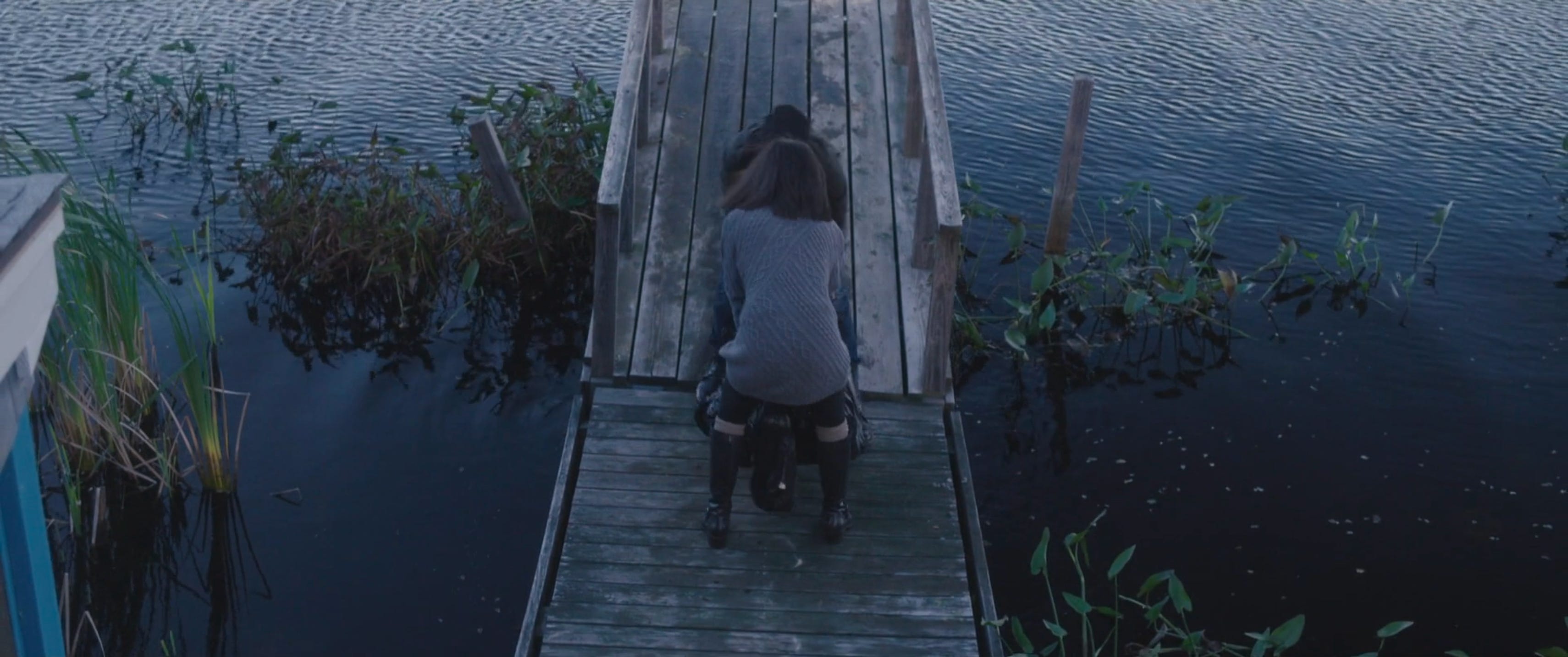
Week 25.44 - Socials Roundup
27 Oct - 02 Nov 2025: Heatwave; The X-Files; Da Sweet Blood of Jesus; Portrait of a Lady on Fire
Week 25.44 posts transition us from Spooktober to Noirvember, with shots from Da Sweet Blood of Jesus (2014); Heatwave (1982); The X-Files (1993-2002); and Portrait of a Lady on Fire (2019).
Portrait of a Lady on Fire
Stu examines Portrait as a ghost story, but the film’s thoughtful use of visuals don’t stop at metaphor and mythology.
This transition from the cold open uses visual cues to show we’ve entered a flashback.
The shots of Marianne (Noémie Merlant) in her studio are mostly quite still, with only a small dolly action in one section. Behind her are hung vertical blue and white panels.
When the scene cuts, it’s from Marianne to Marianne; it’s slightly unusual to cut from one character in one place and time and scene to another (unless it’s a match cut, like this one from The Haunting of Hill House).
The scenes transition from a still shot of Marianne wearing blue in a studio with vertical blue and white lines behind her, to a pitching shot of Marianne wearing rust and brown on a boat with horizontal blue and white lines behind her.
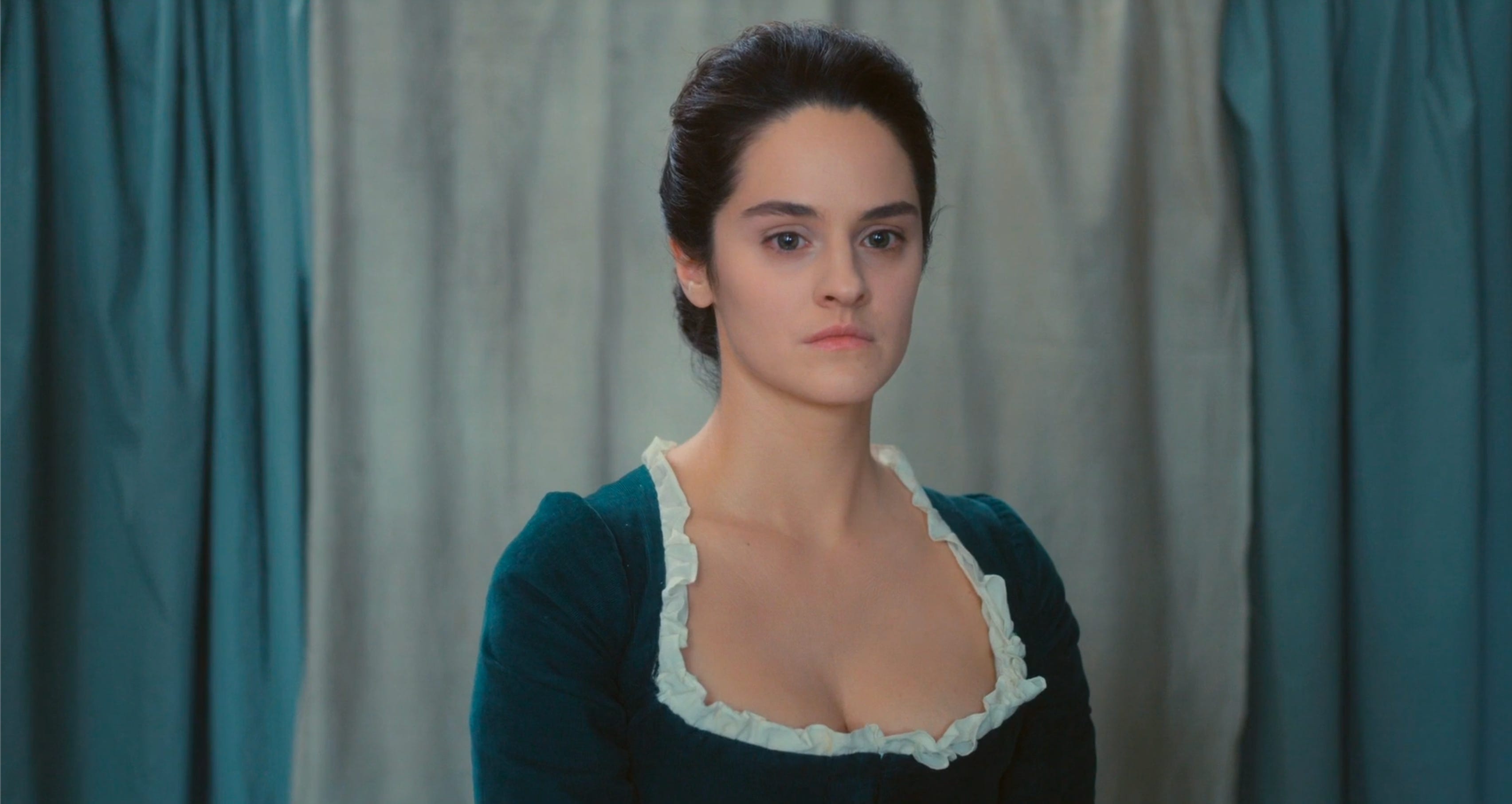
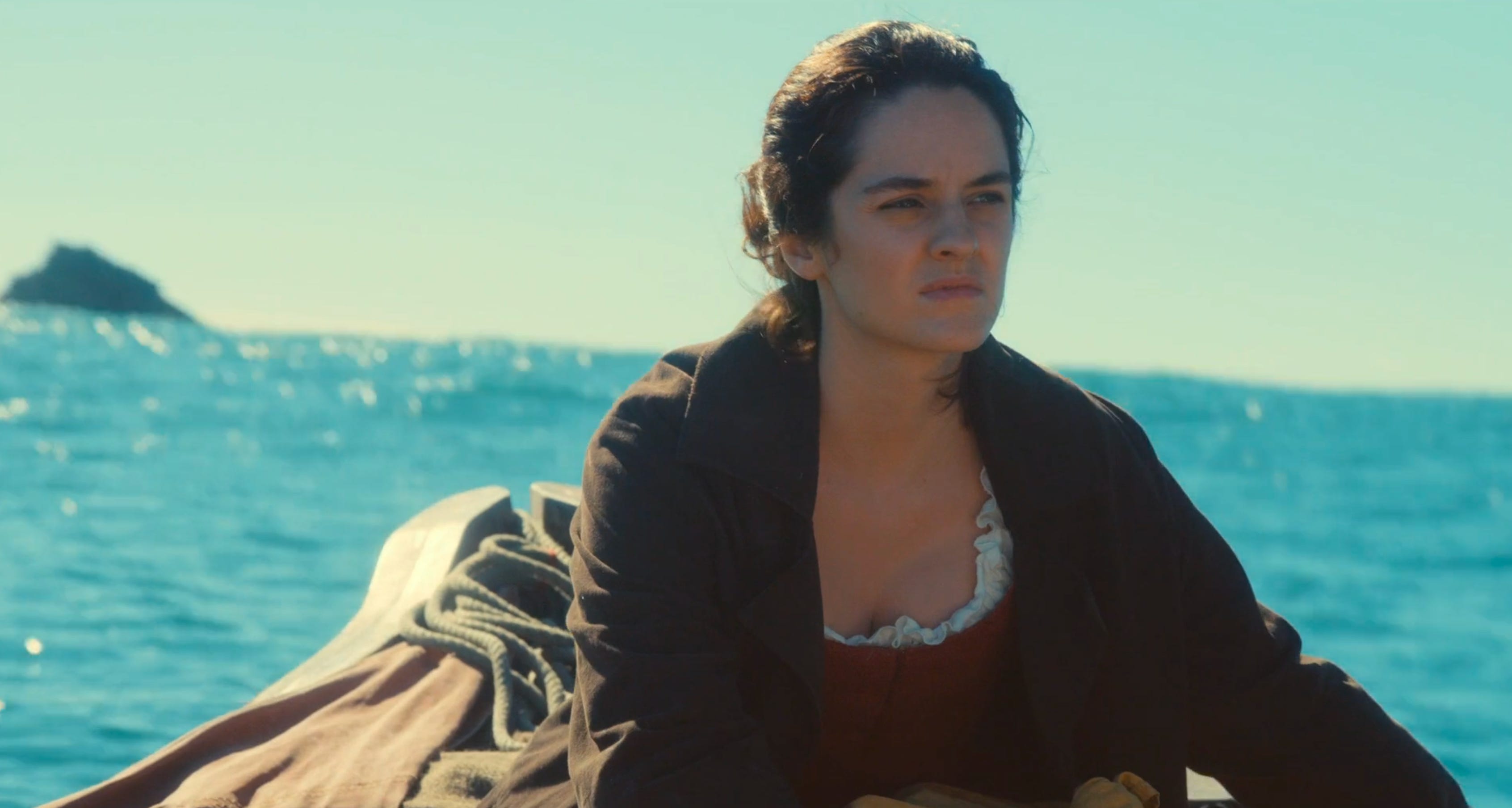
They’re both medium shots, she’s looking the same direction, but everything else about the shot has shifted slightly. It’s similar enough to be disorienting, but different enough to be distinguishing.
Specifically, the blue and white ‘panels’ created by fabric, and then sea and sky, show the vast difference in her circumstances, though she is fundamentally the same person.
What Marianne is looking at is also distinctly different; still shots of her art students looking at her, versus rollicking shots of rowers facing away from her.
This is also a large part of the film’s thesis which focuses on women’s faces and voices, in a world where men do not have much immediate presence.


Heatwave
Relationships are summed up and arcs are foreshadowed in this 30 seconds near the start of Aussie Christmas noir Heatwave.
First, a moving shot brings Stephen (Richard Moir) onto the patio with his girlfriend and coworker; then the blocking immediately divides them with a support beam.
This allows for the next two significant shots: their closeups. As they speak, we always see Stephen by himself with his face in shadow, and the other two together with their faces brightly lit.


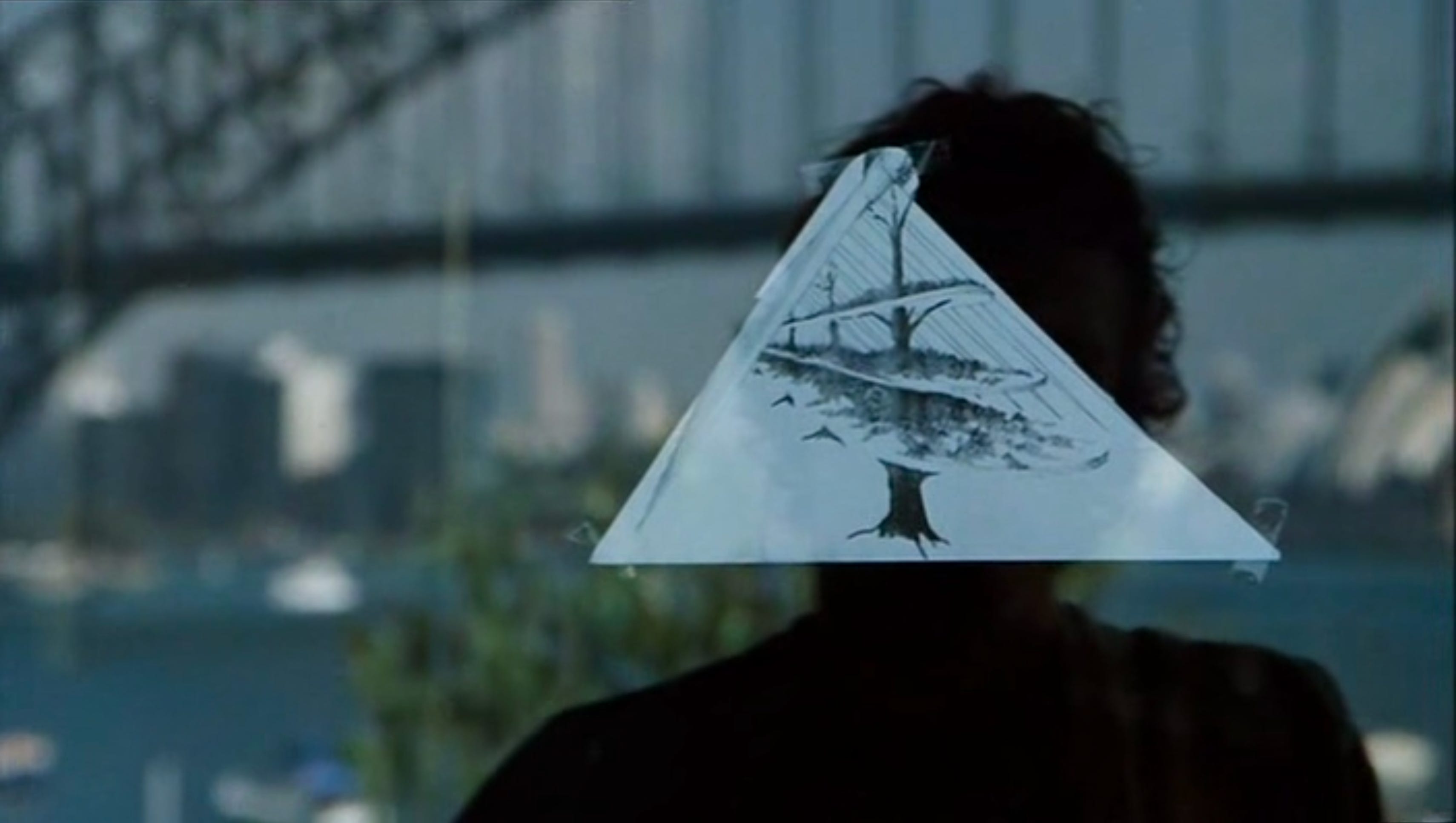
You have to admit that garden decoration of ‘man nailed to a pole’ is ominously framed in, but perhaps less ominous than the final shot of the scene; a zoom into Stephen’s reflection on the glass patio door, which ends with a symbol of Stephen’s architecture project Eden superimposed over his face.
The shot, like the project’s name, is not subtle. This project has become Stephen’s whole identity; before the story ends it will threaten to ruin his life.
The X-Files
This 1.03 “Squeeze” scene makes us a voyeur, before switching to shots which identify us with — and terrify us alongside — Scully.
The first camera move glides from behind a wall to see Scully about to bathe, intimating someone/thing is watching her, and implicating us in that gaze.
This is similar to moves horror movies often use to portray a stalker’s POV. The unbroken shot ratchets tension as it moves from wide to closeup . . . then PLOP! Scully and we are startled by the reveal! before a juddery (ie terrified) POV shot of the vent breaks the oner; now we’re identifying with her.


We get a beat to process what Scully is seeing before chaos breaks loose and the shot changes again. The last shot of the scene is a R-L camera move, the direction the reverse of the scene’s opening shot, not slow and stalking as the opening was but rapid and jerky along with Scully’s movements.
The focus racks as Scully sees her gun, then after grabs the gun it racks again, putting us into her mindset as we see what she’s aiming at . . . nothing.


As Stu noted elsewhere, modern horror broadly uses the ‘horror oner’ to “either position us in the unsettling liminal space between victim, perpetrator and voyeur [or] position us alongside the victims, so we feel their terror.”
This scene does BOTH, switching halfway through in a really effective move.
Da Sweet Blood of Jesus
How many ways does Spike Lee make the sign of the cross in his vampire movie?
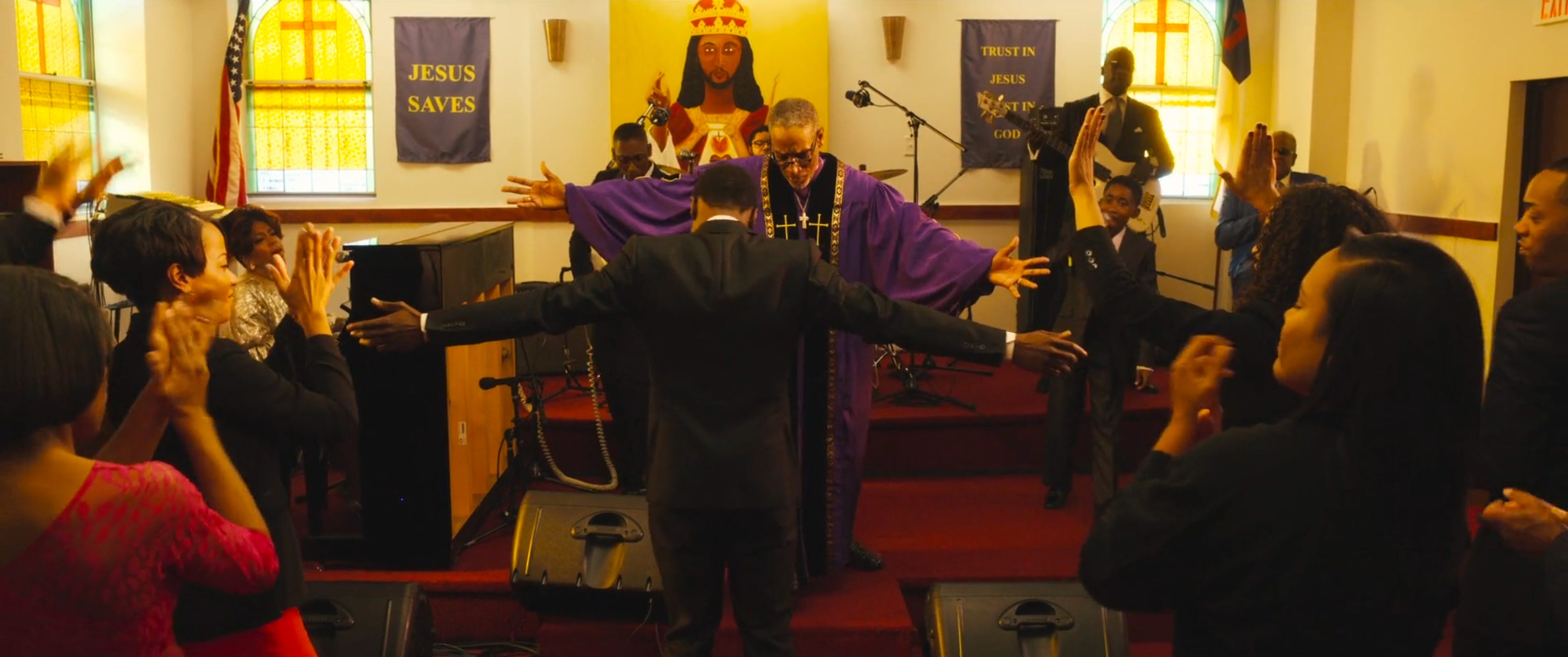
Several, including the markings on a pastor’s robe and the general body shape of one of the vampire’s victims as they die (no pics for spoiler reasons).
But here are other creative ways Lee creates a cross through physical items:


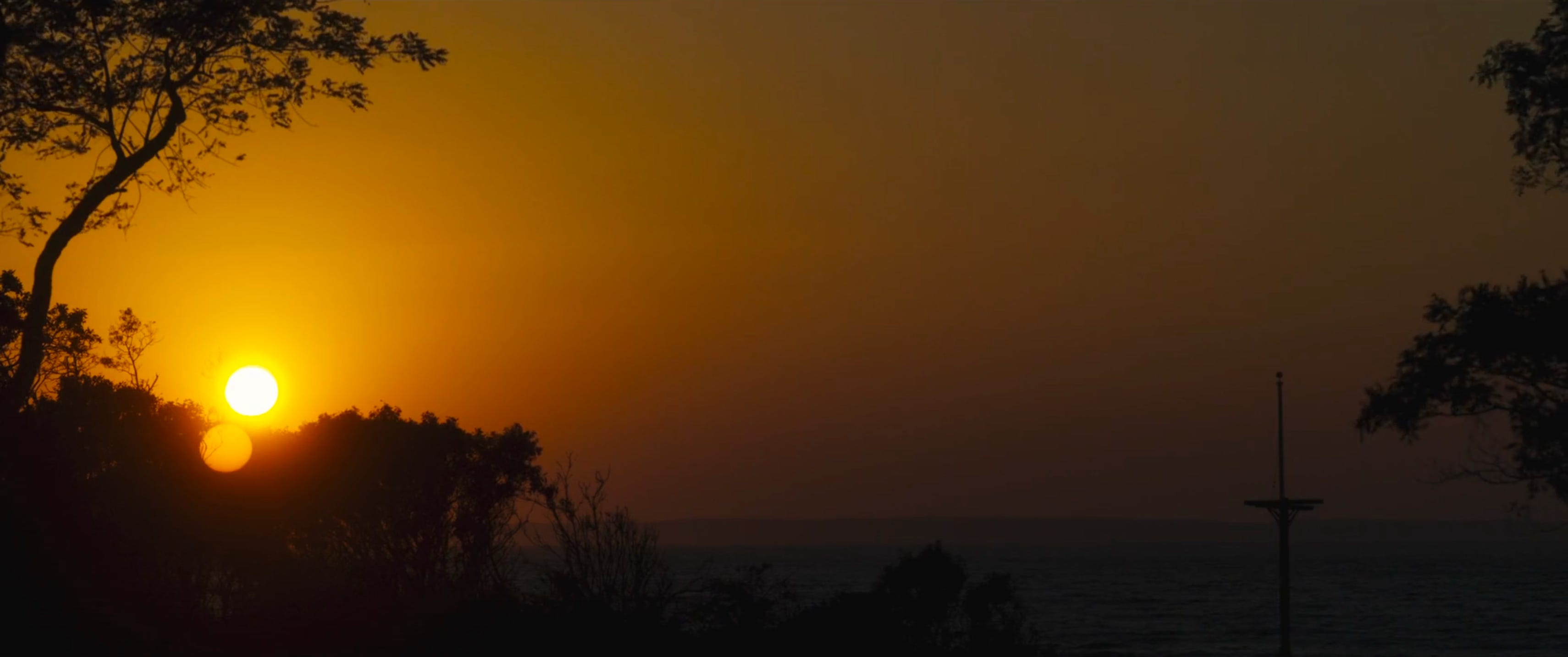
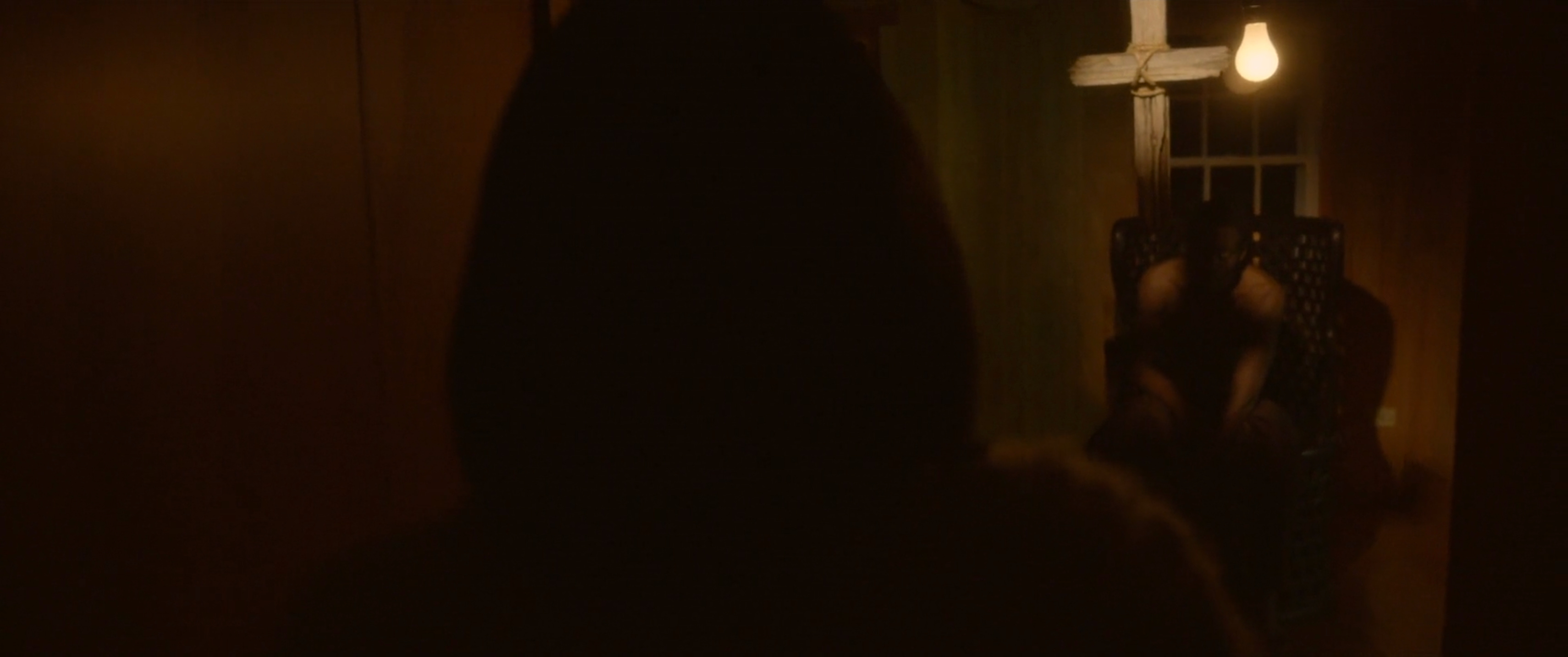
This is perhaps the most obscure, but highly significant as it’s during a burial: