
Establishing then Breaking Patterns: PALM SPRINGS
In honour of Groundhog Day, we returned once again (and not for the last time) to one of our favourite films of the genre: Palm Springs!
Choosing when to repeat similarly framed shots in new places, when to tweak a shot just slightly, when to introduce wholly new shots, and when to call back to a shot you haven’t seen for a while, are all crucial to Groundhog Day stories.
Be Repetitive, Not Boring
Palm Springs is a Groundhog Day movie, thus has to show a lot of events over and over and over and over and over and you get the idea.
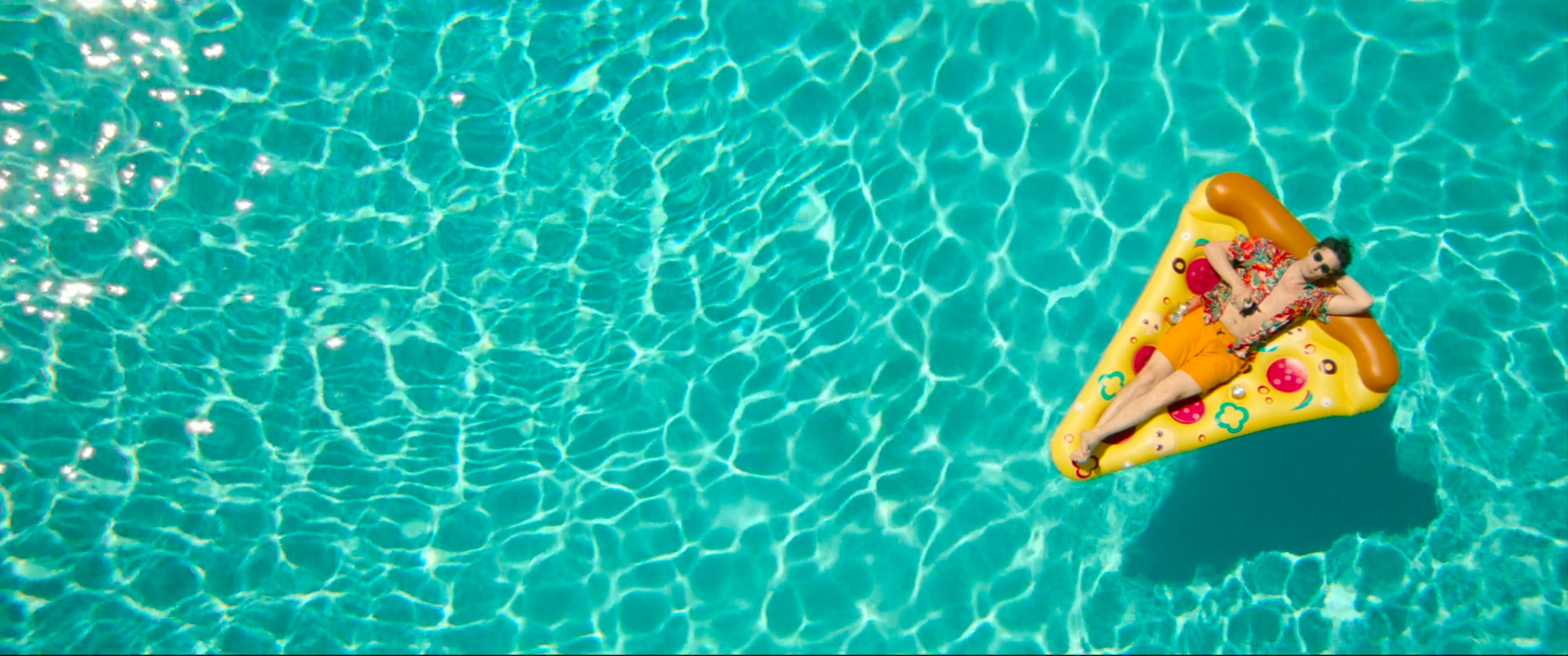
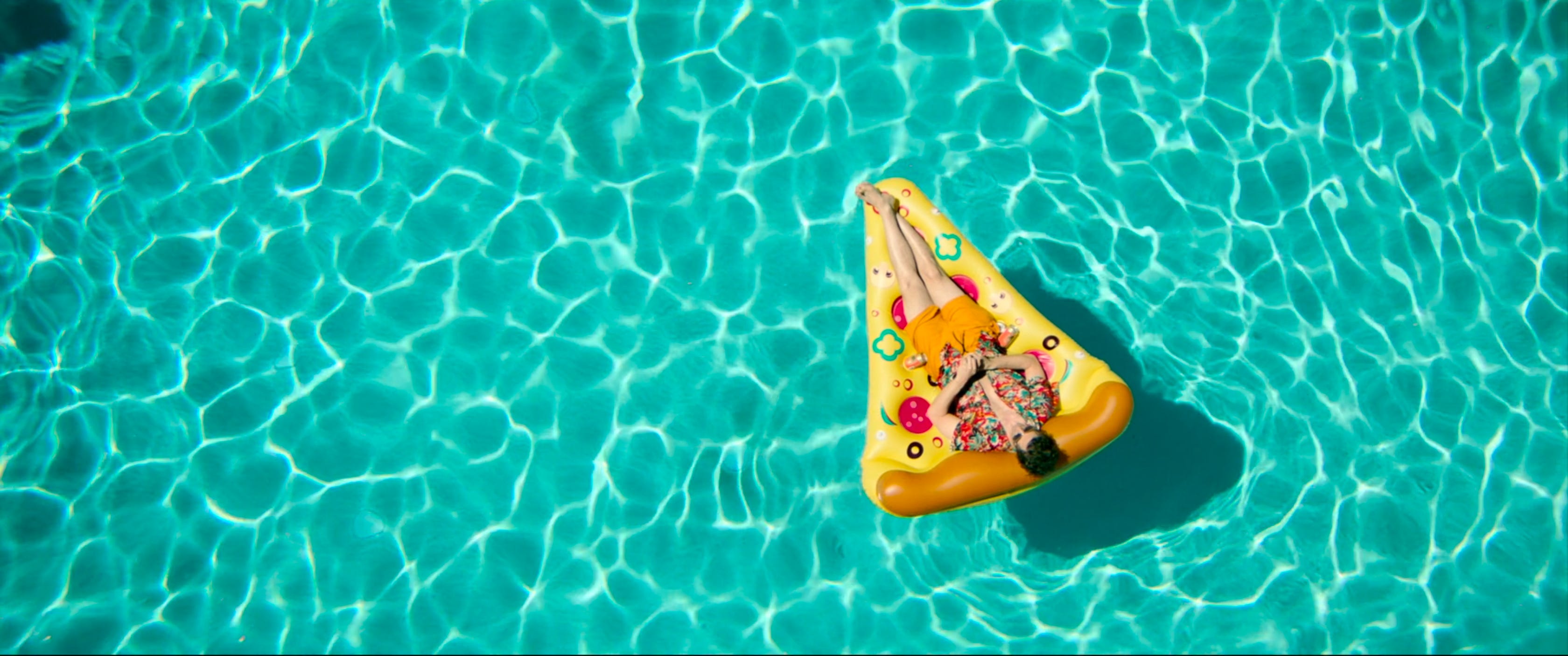
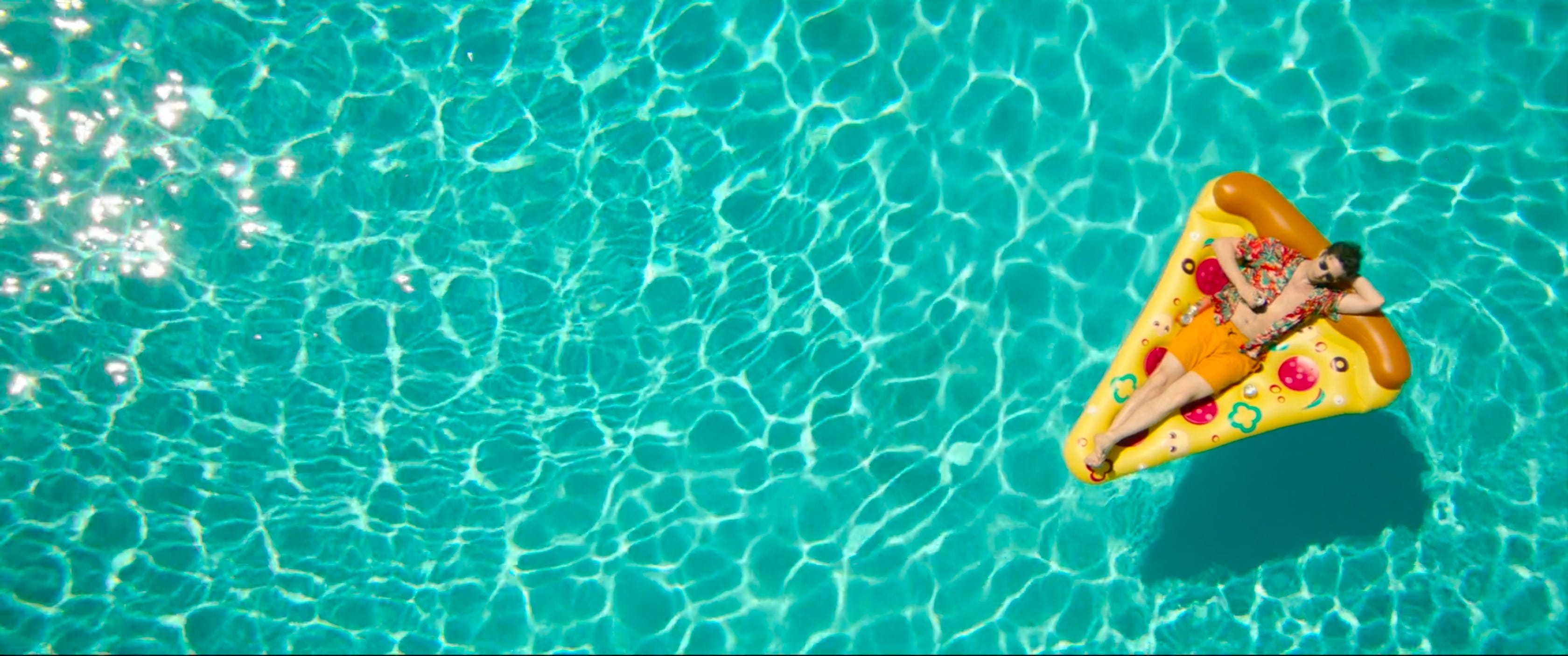
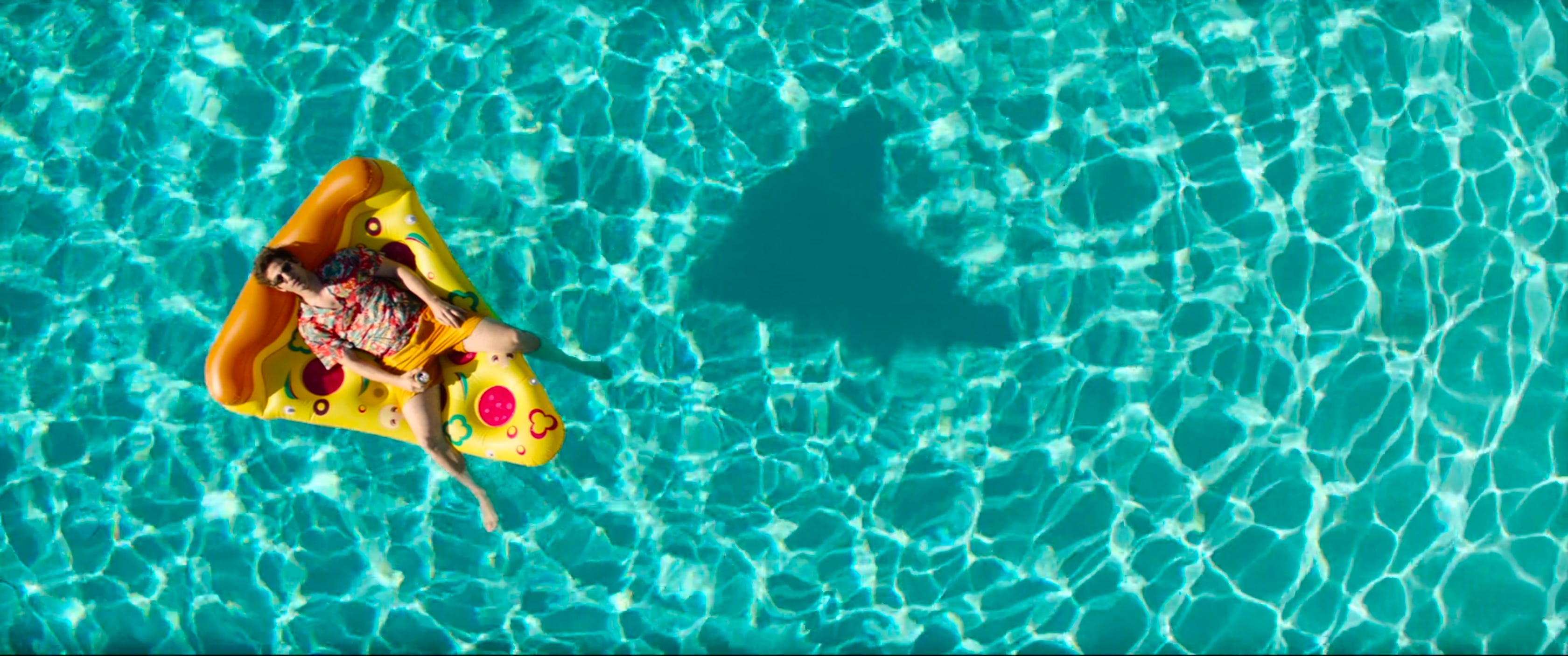
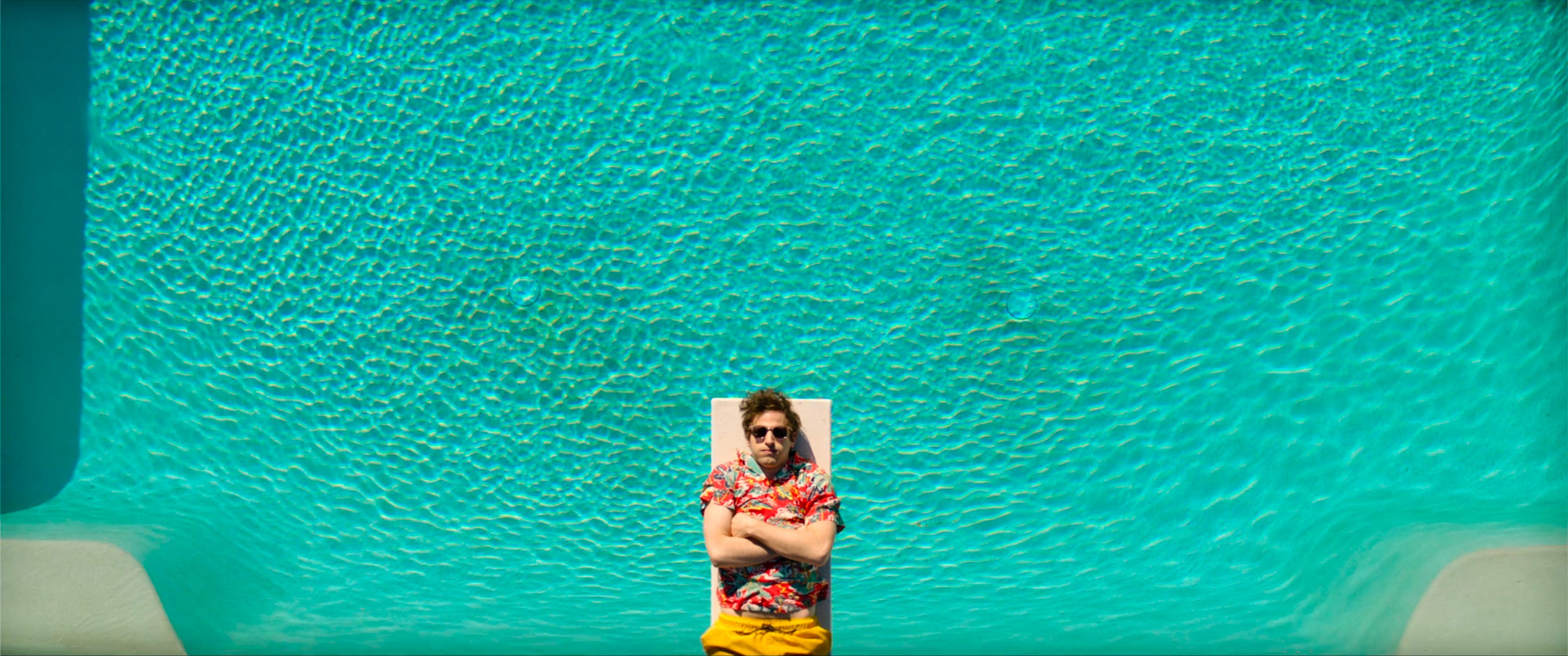
One way it does this is create a simple image with unique props and strong colour contrast; when the image re-re-re-appears, its colour and absurdity (pizza and donut floats!) keep it from being boring, while still getting across time loop, and the minor variations 'pop' because of the simplicity.
Then when one makes a slightly-bigger-than-usual deviation (final shot) an hour in, it only has a few differences, yet REALLY stands out.
Introducing a New POV
When Sarah (Cristin Milioti) wakes up after running into the Great Voidlike Portal Which Throws People Into The Time Loop, almost immediately we get a shot of her looking out the window, then a POV shot of her narrow view through the window.
Sarah rushes out into wedding prep, confused, until she turns and spies Nyles (Andy Samberg) in the pool on his pizza floatie.
Both the shot of her looking out the window and the POV shot of the window are framed similarly to the shot right after she wakes up:


We haven't seen such direct POV shots before this, so using them helps clarify we're 'with' Sarah, and seeing distinct elements (Nyles on a pizza floatie) from yet another angle catches us up to the fact she's joining in his loops already in progress.
Putting us into her frame of mind helps us transition into the scene where she runs out to confront him.
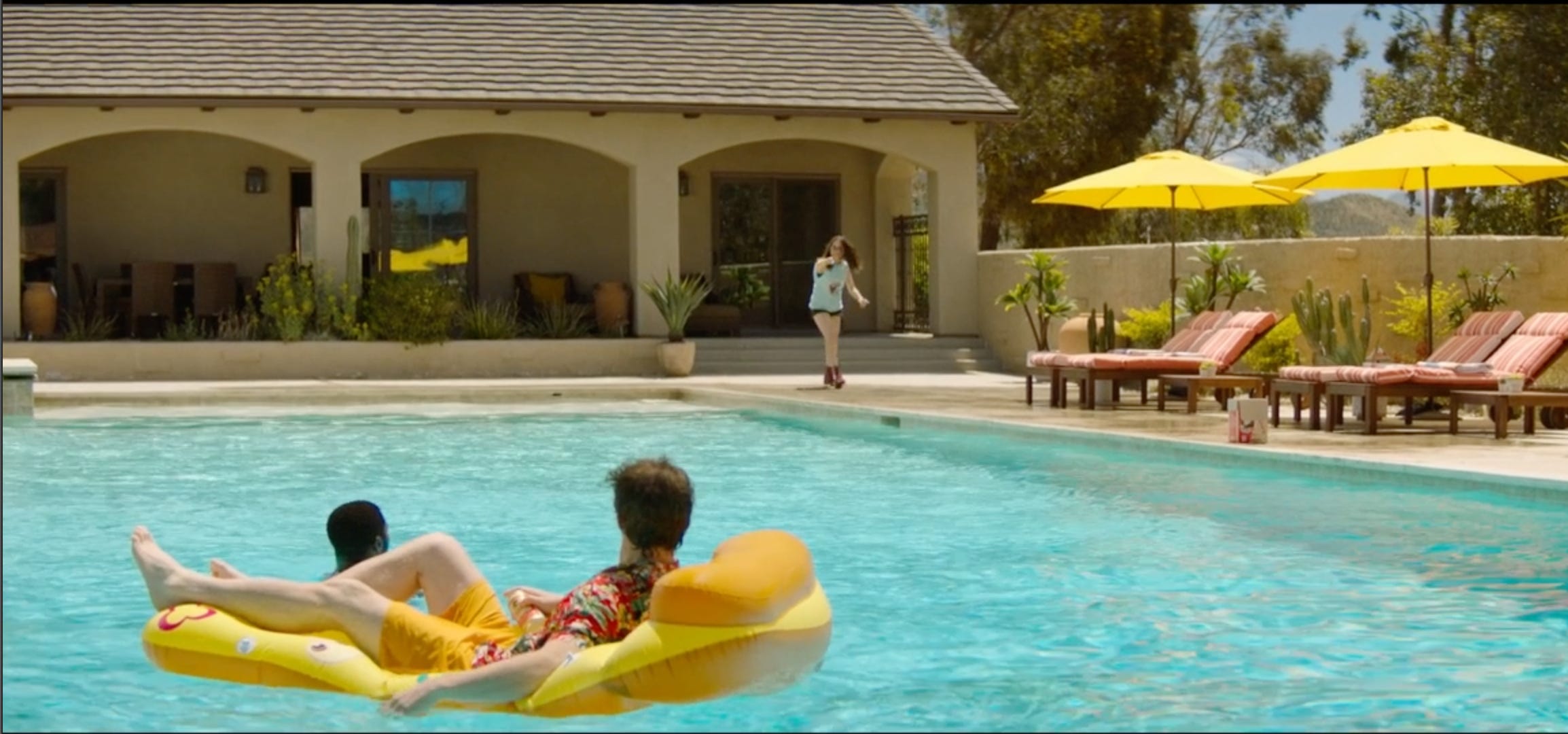
Repeating shot-POV-shot framing isn't from lack of imagination, it's because within the chaos of Sarah's confusion, the audience needs clarity. The story hasn't yet established how a time loop for *two* people will work, but repeating similar visuals helps ground us.
Selective Repetition, with Everything Else Varied
Twenty-six seconds tells us all about this particular day-in-the-loop: a mini-sequence which uses repeating shots to bookend a scene, while using a variety of shots between the bookends to keep things fresh!
The only shots which repeat are those of Nyles:
wide constantly repeated shot of Nyles in the pool, on pizza floatie
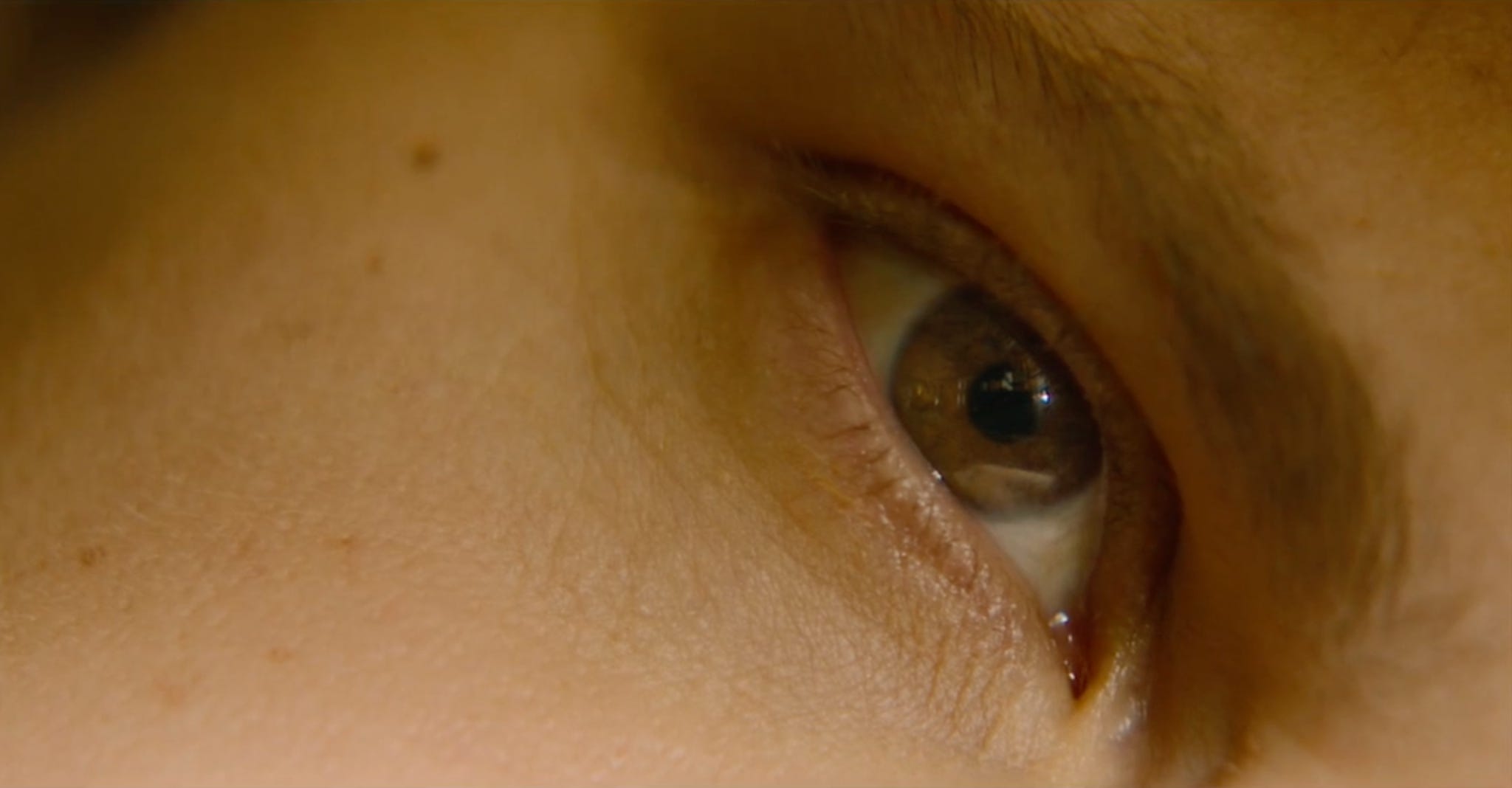
closeup constantly repeated shot of Nyles's eye opening as we hear 'wake up', signifying his day has restarted


All this walks the line of 'being a movie about constant repetition' while staying visually interesting.
We don't need a full reverse onto Pia or Howard because the scene isn't about them (essentially, they're there to break up shots of Nyles). We get the gist, it drives home the repetition, but other than the one medium shot and Nyles's eye opening, the rest of the shots change.
The following scene: top-down of Nyles pouring tequila; dollying-backwards medium-wide of Nyles 'sandwiched' between Pia and Howard; medium of Nyles; single of Pia which keeps her frame-left; medium of Nyles drinking the tequila; single of Howard which keeps him frame-right; medium of Nyles as he leaves frame . . .
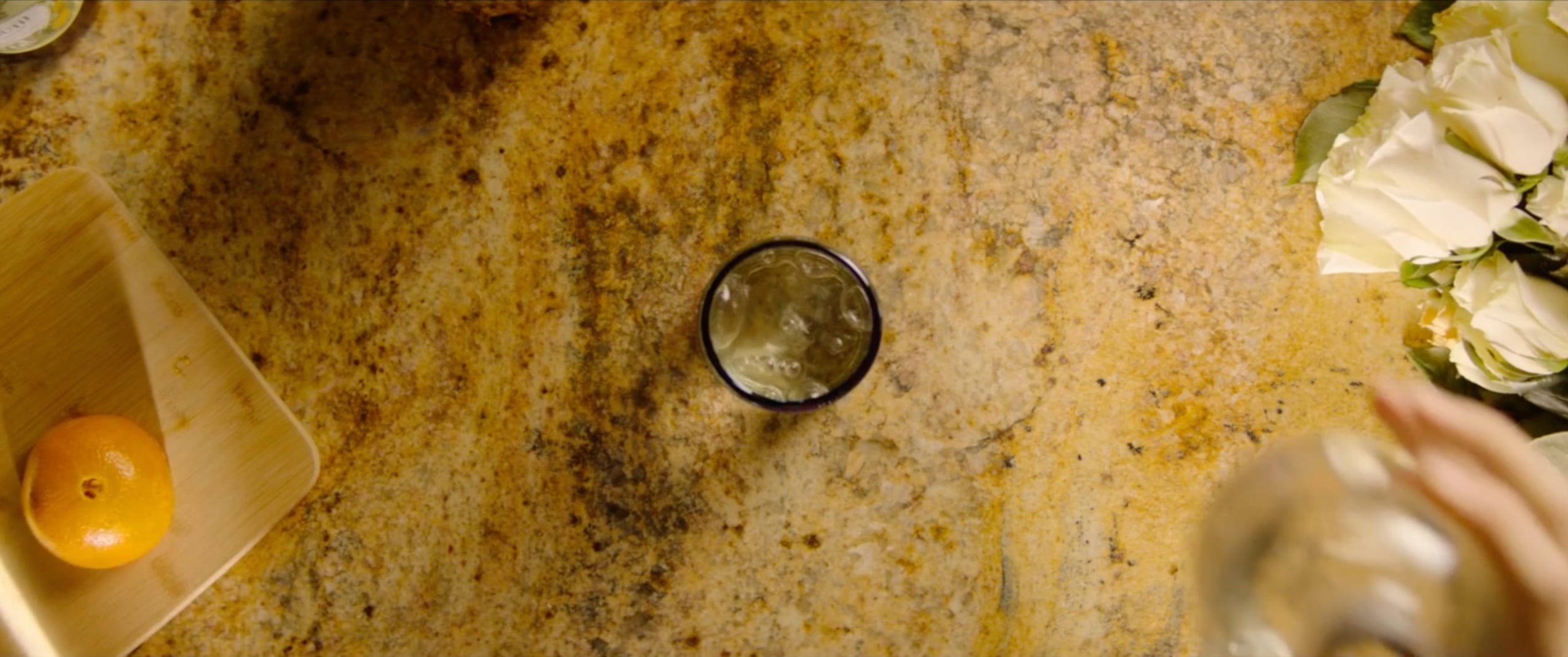
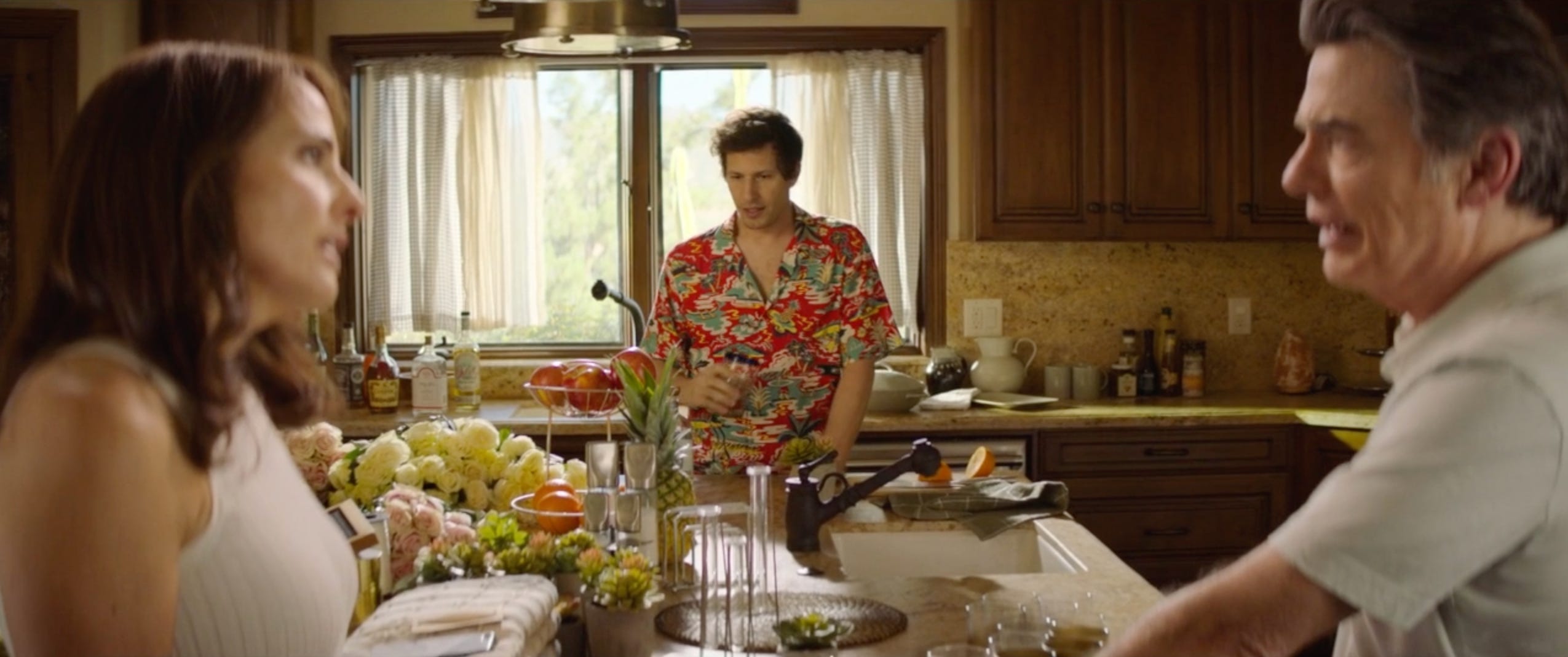


SMASH CUT TO: wide constantly repeated shot: Nyles (Andy Samberg) in the pool, now on the on diving board (see first entry about why the change-up matters . . . )
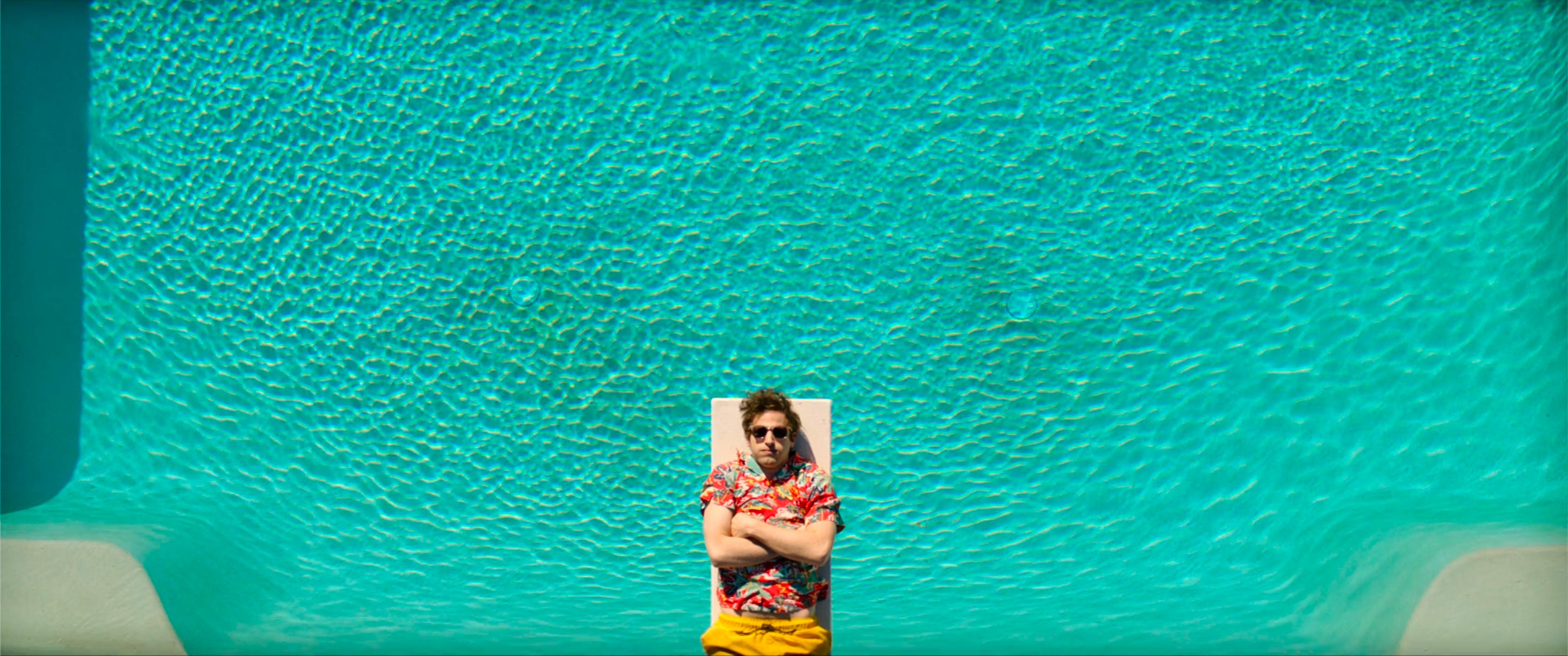
Then a CU of another constantly repeated shot: Nyles's eye opens as we hear 'wake up' - his day has restarted and we hear Nyles ask "where is she" . . .
Takeaways
Palm Springs uses repeating shots effectively for shorthand and clarity, then breaks them for visual interest and to signal a change and/or addition to the story.
Brilliant breakdown of the absurdity-meets-simplicity approach. The way those floats work as both comedic relief and visual anchors is kinda genius becasue the brain latches onto those details instead of getting fatigued. I've noticed simialr techniques in video game loops where designers use bright, repetitive elements to maintain flow without inducing burnout.